

What is Baby-Led Weaning?
Baby-led weaning is an approach to complementary feeding that places the baby and their signs of hunger, curiosity, and fullness at the centre of the process.
It represents a different way of introducing solid foods compared to traditional weaning, and for many parents, it is an opportunity to help their baby build a positive relationship with food from the very beginning.
In this guide, we will explain in simple terms what baby-led weaning is, how it works in practice, what the differences are compared to traditional weaning, and how to start gradually and consciously.
How Baby-Led Weaning Works
Baby-led weaning means complementary feeding guided by the baby, where the child takes part in family meals and tastes, within safe limits, the same foods prepared for the rest of the family. Some key elements of baby-led weaning are:
- Respecting the baby’s timing. The baby is the main participant in the meal. They decide independently whether to taste, how much to eat and when to stop, within a selection of foods that are suitable in terms of texture and safety.
- Food is offered, not imposed. There is no fixed calendar for introducing different foods. The process is gradual and flexible, following the paediatrician’s guidance and adapting to the baby’s rhythms and needs.
- Sharing family meals. The baby sits at the table with the adults, observes what they eat, imitates them, and actively takes part in mealtime. Food, therefore, becomes a social and relational experience too.
- Gradual introduction. At the beginning, small tastes may be enough: breast milk or formula remains the basis of the baby’s diet for as long as the paediatrician considers appropriate.
The aim of baby-led weaning is not to rush the process or make the baby eat “more”, but to support their independence, their exploration of food and their ability to recognise hunger and fullness cues, building a calm and positive relationship with eating from the very first tastes.

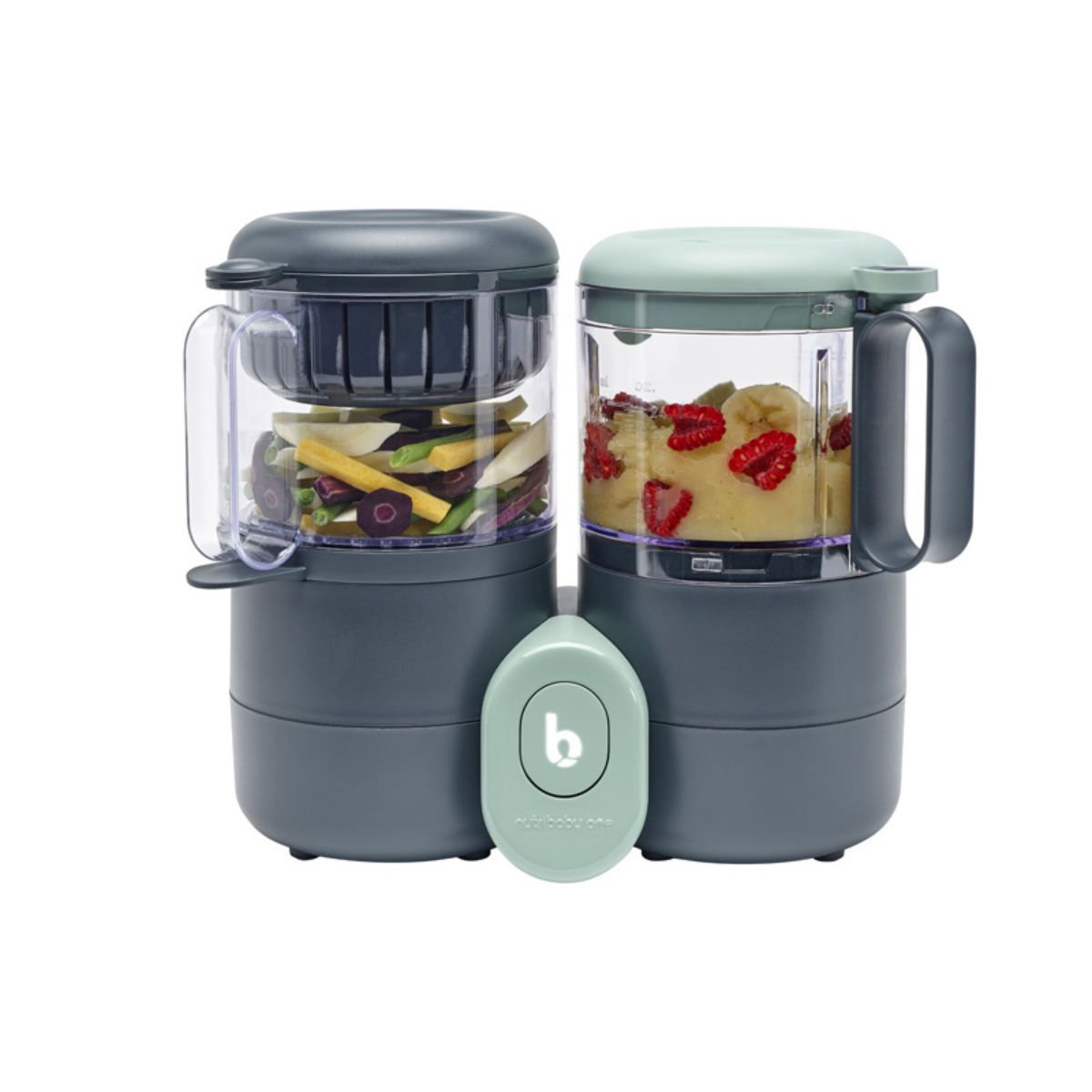


Difference Between Traditional Weaning and Baby-Led Weaning
The difference between traditional weaning and baby-led weaning mainly lies in the approach.
In traditional weaning, parents often follow set plans for introducing foods, mainly offering blended foods and purées: in this practice, the adult feeds the baby and manages both timing and quantities.
With baby-led weaning, on the other hand, there is no strict food calendar, as long as the paediatrician’s advice and safety rules are respected. Usually, parents start by offering soft foods, such as cooked vegetables, meat or fish cut into suitable pieces, and cereals, not necessarily blended. The baby eats independently using their hands and, over time, cutlery, self-regulating quantities and pace.
It is not an absolutely “better” method, but a different approach. Many families choose a mixed model, combining some aspects of traditional weaning with elements of baby-led weaning, according to the baby’s needs.
How to Start Baby-Led Weaning Safely
Having a clear idea of where to start with baby-led weaning is essential to approach this stage with greater confidence. Here are some practical steps that may help:
- Speak with your paediatrician. Before starting solid foods, it is important to speak with your paediatrician, who can assess growth, development and any specific needs. This step helps you understand whether your baby is ready and how to introduce foods safely.
- Observe your baby’s signs. Another key element is observing your baby: the ability to sit with minimal support, good head control, interest in food at the table, and the tendency to grasp objects and bring them to the mouth. These signs indicate that the time to start exploring solids may be approaching.
- Offer suitable and safe foods. First foods should be soft, easy to manage and cut in a way that reduces risks. It is useful to offer simple preparations, with little salt and sugar, avoiding foods that are not suitable for the baby’s age.
- Small tastes and plenty of exploration. At the beginning, baby-led weaning is mainly about exploration: the baby touches, tastes small amounts, gets messy and takes their time. Milk is still the basis of their diet, while solid foods gradually become part of everyday life. The goal is not to finish the plate, but to experience new flavours and textures.
A conscious baby-led weaning journey is built through ongoing dialogue with the paediatrician, attention to safety and listening to the baby’s needs. Every family can create its own path, aiming for a balanced and positive relationship with food from the very first tastes.
Other new parents have also read...

How to use a Breast Pump: a Complete Guide

How to Start Weaning: Complete Guide

When to use a Highchair and how to Choose it

What is an Evolutionary Highchair and How to Choose it

What is the Montessori Tower and What is it used for?
